
Introduction to Sports Broadcasting
Defining Sports Broadcasting
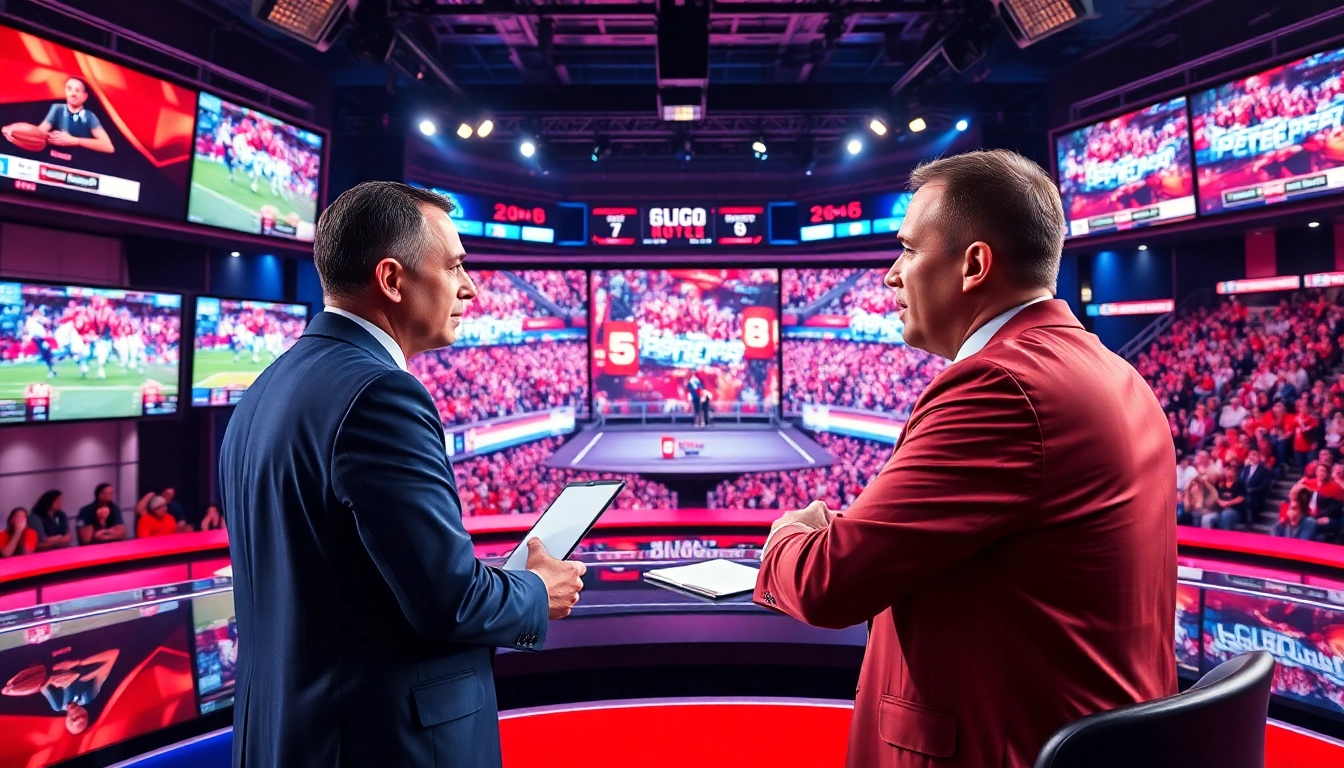
Sports broadcasting refers to the live transmission of sporting events through various media, including television, radio, and online platforms. This dynamic field encompasses not only the actual event broadcast but also the analysis, commentary, and discussion that accompanies each sporting match or event. With the advent of technology, Sports Broadcasting has grown to incorporate diverse platforms and reach audiences across the globe.
The Evolution of Sports Broadcasting
The origins of sports broadcasting date back to the early 20th century when radio became the primary medium for transmitting sports events. The first significant broadcast occurred in 1921 when a boxing match was aired live. As technology progressed, television became the preferred medium, providing visual engagement that revolutionized viewership. The late 20th century saw the rise of cable networks dedicated to sports, significantly expanding viewership options. Today, online streaming and social media platforms enhance accessibility, allowing fans to experience sports in real-time wherever they are.
Importance in Sports Culture
Sports broadcasting plays a pivotal role in shaping sports culture. It is not just about relaying scores, but also about building narratives and enhancing fan engagement. The commentary and analysis provided by experts help contextualize the events, adding depth and enhancing viewers' emotional investment. Moreover, broadcasting rights generate significant revenue for leagues and teams, sustaining their operations and growth.
Key Elements of Sports Broadcasting
Technical Equipment Overview
The backbone of any sports broadcasting operation lies in its technical equipment. Cameras, microphones, and broadcasting vans must meet high standards to deliver quality coverage. Multi-camera setups allow for various angles, while high-definition and 4K technologies enhance the viewing experience. Furthermore, equipment like drones is becoming commonplace, providing aerial views that were once impossible. The use of graphics and instant replay technology has also transformed how audiences interact with live broadcasts.
Broadcast Formats: TV vs. Online
Traditional television broadcasting remains a powerful medium, especially during major events like the Super Bowl or the Olympics. However, the rise of OTT (over-the-top) services has shifted viewership habits. Online platforms offer on-demand content, allowing fans to watch highlights, replays, and live events at their convenience. This shift necessitates a tailored approach to content creation, with broadcasters needing to adapt their formats to appeal to both traditional viewers and the streaming audience.
Role of Commentators and Analysts
Commentators and analysts are crucial to the sports broadcasting landscape. They serve as the voices that guide fans through the games, offering insights, statistics, and emotional commentary that enriches the viewing experience. A good commentator not only relays information but also captivates the audience, building excitement around the event. Analysts play a complementary role, providing post-game analysis and in-depth breakdowns that keep fans engaged long after the game ends.
Challenges in Sports Broadcasting
Dealing with Live Events
One of the most significant challenges in sports broadcasting is managing unforeseen circumstances during live events. Weather interruptions, technical difficulties, or even unexpected game developments—a last-minute injury, for example—can disrupt the broadcasting flow. To mitigate these issues, broadcasters must have contingency plans in place, including backup feeds and alternative content to maintain viewer engagement during unexpected lulls.
Maintaining Audience Engagement
In an age of dwindling attention spans, maintaining audience engagement is paramount. Broadcasters must innovate continuously to keep viewers invested during lengthy broadcasts. This includes interactive elements, such as live polls, social media integration, and enhanced viewer experiences through augmented reality. Personalizing content and making it relatable can also significantly improve engagement levels.
Adapting to Technological Changes
The rapid pace of technological advancements poses a continual challenge for sport broadcasters, who must stay ahead to remain competitive. From streaming innovations to changes in audience consumption habits, adapting to these shifts is critical for sustained success. Investing in new technologies, such as AI and machine learning, can enhance content delivery and viewer analytics, helping broadcasters tailor their offerings more effectively.
Best Practices for Effective Sports Broadcasting
Creating Engaging Content
Producing engaging content is essential for any prosperous sports broadcast. This includes storytelling elements, real-time statistics, and dynamic graphics that can captivate an audience. Quality production values, including sound, lighting, and presentation, are equally crucial. Engaging visuals combined with a strong story can turn a regular broadcast into an unforgettable experience for the viewer.
Utilizing Social Media Platforms
Leveraging social media is increasingly crucial for sports broadcasters. Platforms like Twitter, Instagram, and TikTok offer unique opportunities to reach viewers. Sharing real-time updates, behind-the-scenes glimpses, and engaging with fans can amplify reach and foster community. Integrating social media feedback and viewer reactions into broadcasts can also enhance interaction and draw in larger audiences.
Metrics for Success in Sports Broadcasting
Measuring success in sports broadcasting requires analyzing multiple metrics. Ratings, viewer engagement levels, and social media interactions are just a few indicators of success. Tools such as Nielsen ratings provide valuable insight into audience size and demographics, while engagement metrics can help broadcasters refine their content strategies. Understanding these metrics facilitates continuous improvement and ensures that the content resonates with the intended audience.
Future Trends in Sports Broadcasting
The Rise of Streaming Services
As streaming services continue to proliferate, they are reshaping how sports are consumed. More fans are opting for subscription services over traditional cable, forcing broadcasters to adapt their business models. This trend indicates a future where flexibility and on-demand viewing are paramount, with broadcasters needing to provide tailored experiences to maintain relevance.
Impact of Virtual Reality and Augmented Reality
Virtual Reality (VR) and Augmented Reality (AR) offer exciting possibilities for enhancing the sports viewing experience. These technologies can immerse fans into the action, providing interactive experiences that traditional broadcasts cannot match. For example, AR graphics can visualize player stats in real-time, aiding fans in understanding the game better. As technology progresses, we can expect to see more innovative integrations that redefine how audiences interact with live sports.
Predictions for the Sports Broadcasting Landscape
Looking ahead, the sports broadcasting landscape is likely to witness significant transformation. Increased competition from diverse platforms will drive innovation, particularly in content delivery methods and viewer engagement strategies. Furthermore, the demand for personalization may continue to grow, resulting in bespoke sports experiences tailored to individual preferences, paving the way for deeper connections between fans, teams, and broadcasts.
Frequently Asked Questions
What is sports broadcasting?
Sports broadcasting involves the live transmission of sports events across various media outlets, including television, radio, and online platforms, providing commentary and analysis to enhance viewer experience.
How has sports broadcasting evolved?
Sports broadcasting has evolved from radio broadcasts to television, and now to online streaming, adapting to technological advancements and changing viewer preferences over time.
What challenges do sports broadcasters face?
Sports broadcasters face challenges such as managing live events, maintaining engagement, and keeping up with rapid technological changes in the industry.
What are the best practices for effective sports broadcasting?
Best practices include creating engaging content, utilizing social media, and measuring success through viewer engagement metrics to ensure audience satisfaction.
What does the future hold for sports broadcasting?
The future of sports broadcasting will likely see growth in streaming services, increased use of VR and AR technologies, and a focus on personalized viewer experiences.